How to draw a door starts with one tall rectangle and a clear idea of which way it opens. These 30 ways let you pick one in a minute, and drawing practice keeps the habit going.
Quick answer: for how to draw a door step by step, start with way 1, then try way 4. Draw the frame, add two panels, then place the handle about 36 inches up on a door drawn 80 inches tall.
A door looks real when the frame is drawn before the panels and the hinge edge stays vertical.
What is a door drawing, and how does it work?
A door drawing is a study of a door as a flat shape with depth: a frame, a leaf, panels and hardware. Learning how to draw doors step by step trains proportion, perspective and shading, because a door is a rectangle that must sit inside a believable wall.
Which door to draw: pick by what you want to practise
Find your goal and jump to the way. These are doors you can repeat, and easy drawings for beginners has more warm-ups.
| Idea | Best for | Level | Time | What it trains | Avoid if | Course |
|---|---|---|---|---|---|---|
| 1. Simple front door | Your very first door | Beginner | 10 min | Proportion | You want an old, worn look | Shading Techniques in Pencil |
| 2. Old arched doorway | A stone cottage look | Intermediate | 30 min | Arches | You rush curves | How to Draw an Old Doorway in Pastel |
| 3. Stone doorway with a deep reveal | Depth and thickness | Intermediate | 35 min | Depth | You want a flat cartoon | How to Paint a Stone Doorway in Acrylic |
| 4. Door in two-point perspective | Angled views | Intermediate | 30 min | Perspective | You skip the horizon line | Perspective in Buildings with Pen and Ink |
| 5. Door in a building facade | Street scenes | Intermediate | 40 min | Alignment | You want a single object | How to Draw Buildings in Pastel |
| 6. Weathered wooden door | Texture practice | Beginner | 25 min | Texture | You want clean lines | How to Draw Weathered Textures |
| 7. Tall city gate | Scale and drama | Advanced | 45 min | Scale | You prefer cosy scenes | How to Paint The City Gate in Watercolor |
| 8. Garden gate with a dog | A friendly scene | Intermediate | 35 min | Storytelling | You dislike animals | How to Draw a Dog at the Gate |
| 9. Gothic pointed door | Dramatic buildings | Advanced | 40 min | Pointed arches | You want a modern look | How to Draw a Gothic House in Pen and Ink |
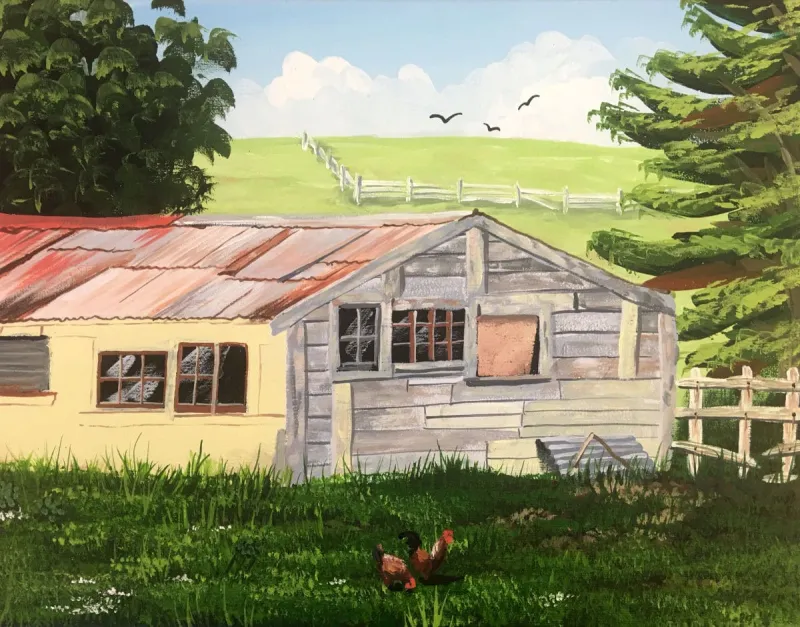
| 10. Farmhouse door with a porch | Country scenes | Intermediate | 35 min | Layering | You want a city view | How to Draw a Farmhouse in Pen and Ink |
| 11. Cottage door with a round top | Cosy scenes | Beginner | 25 min | Small scale | You want a grand entrance | How to Paint a Cottage in Watercolor |
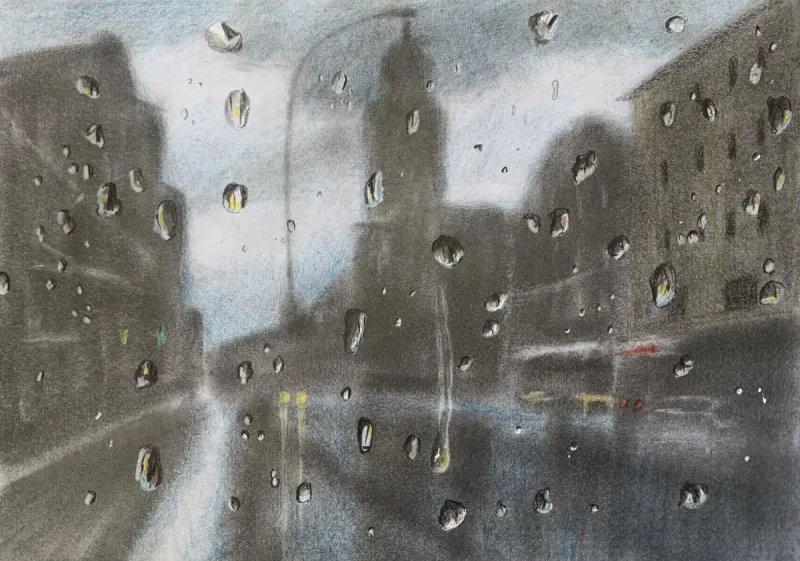
| 12. Door with a rain-streaked window | Glass practice | Intermediate | 30 min | Highlights | You dislike detail | How to Draw Rain on Window |
| 13. Door with a window flower pot | A cheerful entrance | Beginner | 25 min | Ellipses | You want an empty door | How to Draw a Window Flower Pot in Pastel |
| 14. Door with a glass panel | Reflection practice | Advanced | 40 min | Reflections | You want a solid door | How to Draw Realistic Glass |
| 15. Door with a lantern beside it | Evening scenes | Intermediate | 30 min | Light source | You want daylight only | How to Paint a Fancy Lantern in Watercolour |
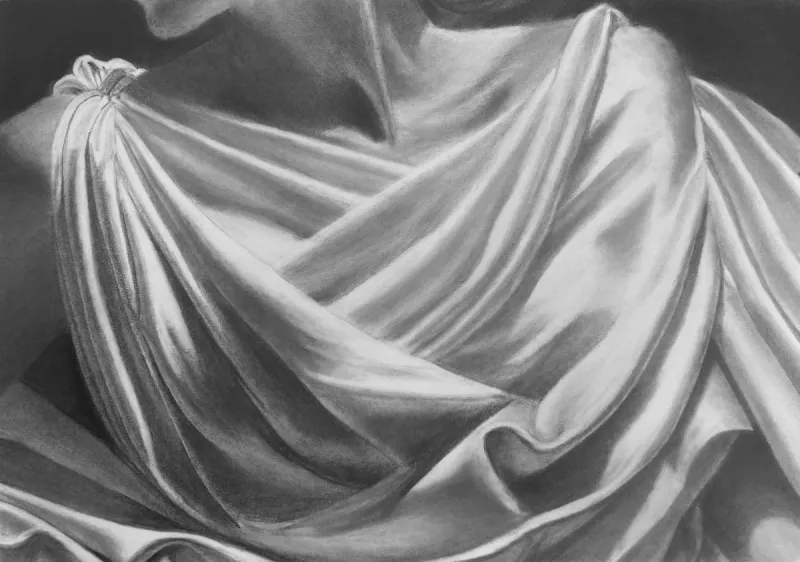
| 16. Door with a curtain | Soft forms | Intermediate | 30 min | Folds | You want hard lines only | How to Draw Drapery & Clothing Folds |
| 17. Open door | Angled doors | Beginner | 20 min | Angles | You skip the closed frame | How to Create Tone with Pen and Ink |
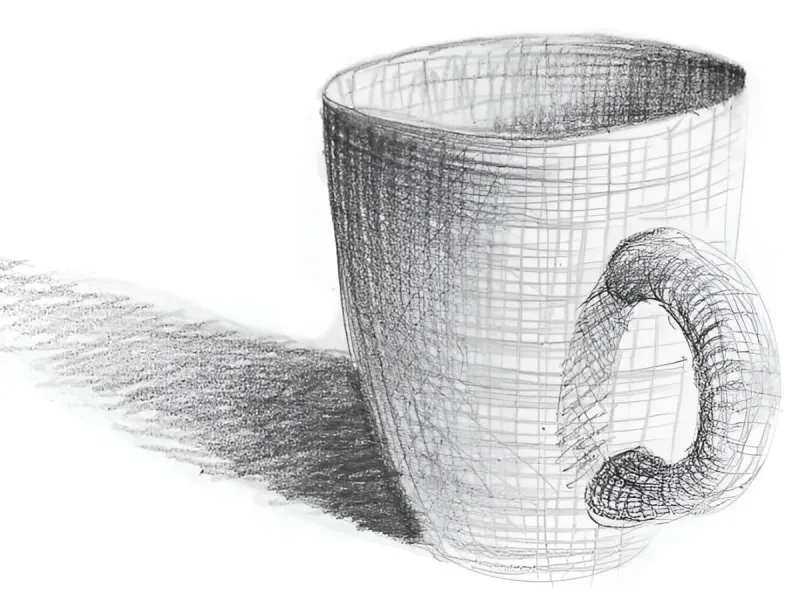
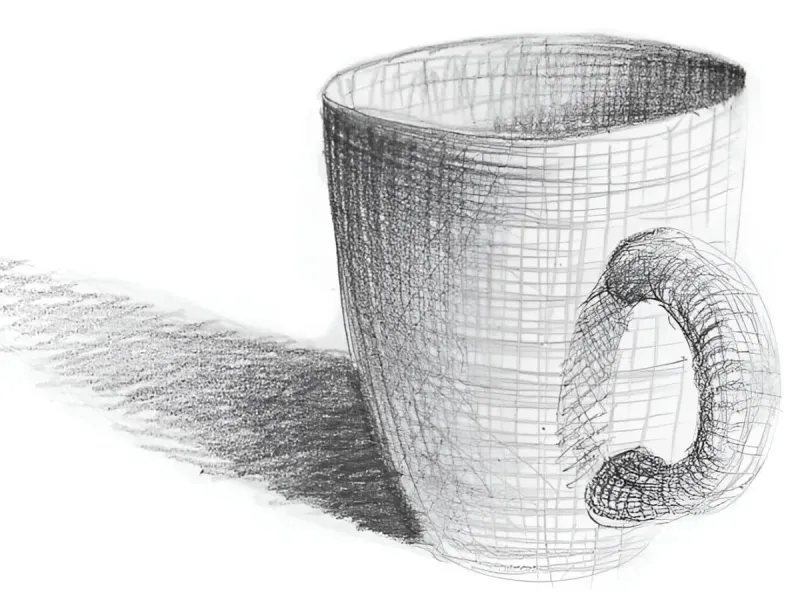
| 18. Cross-hatched door | Ink and pencil | Beginner | 20 min | Hatching | You want soft blends | Cross Hatching for Beginners |
| 19. Pen and ink line door | Clean linework | Beginner | 20 min | Confident lines | You want to correct mistakes | Introduction to Pen and Ink |
| 20. Door in a ruin | Moody scenes | Advanced | 40 min | Broken forms | You want a neat look | How to Draw a Ruin in Pen and Ink |
| 21. Sliding door in plan | Floor plans | Intermediate | 20 min | Plan view | You want an elevation view | How to Draw a Harbour Bridge in Pencil |
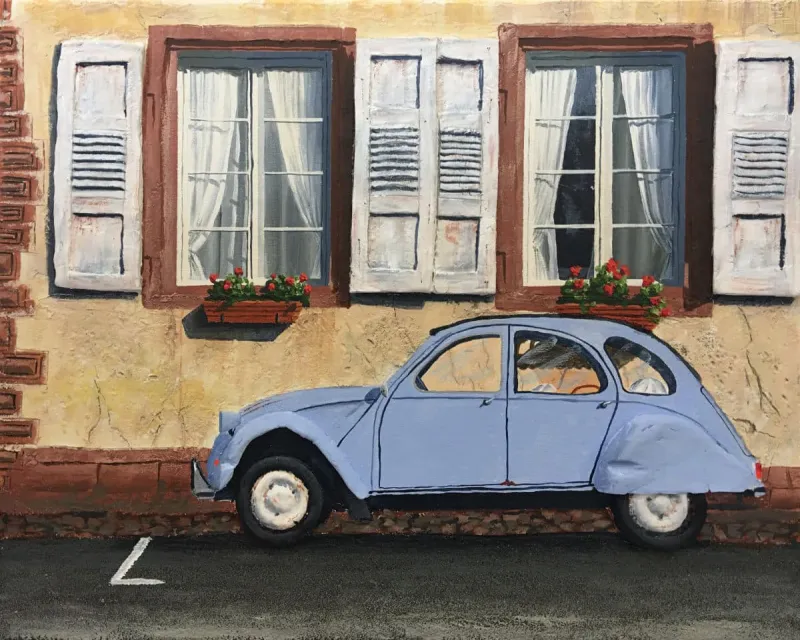
| 22. French villa door with shutters | Warm sun scenes | Intermediate | 35 min | Rhythm | You want a modern door | Textured French Villa in Acrylic |
| 23. Door in a snow scene | Winter scenes | Beginner | 25 min | White on white | You want warm colour | How to Draw a House in the Snow |
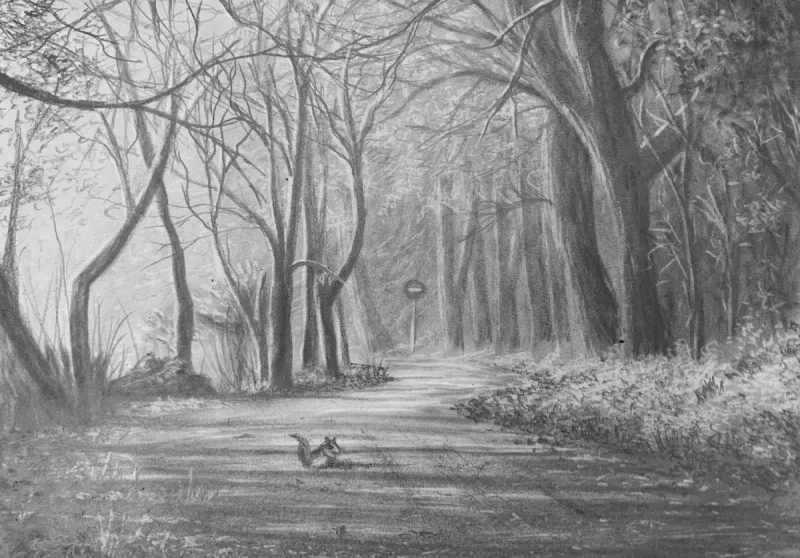
| 24. Path leading to a door | Depth in a scene | Beginner | 30 min | Leading lines | You want a close-up | Drawing a Path in a Forest |
| 25. Boathouse door at the water | Waterside scenes | Intermediate | 35 min | Reflections | You dislike reflections | How to Paint a Boathouse |
| 26. Door knob close-up | Small details | Beginner | 10 min | Metal highlights | You want a whole door | How to Draw a Phone in Pencil |
| 27. Lighthouse door at the base | Coastal scenes | Intermediate | 30 min | Curved walls | You want a flat wall | How to Draw a Lighthouse |
| 28. Door on an old street | Street sketching | Advanced | 45 min | Street rhythm | You want a single door | How to Paint Old Buildings in Acrylic |
| 29. Someone opening a door | Figure scenes | Advanced | 40 min | Figure and light | You avoid figures | How to Draw a Portrait in Shadow |
| 30. Lever door handle | Hardware detail | Beginner | 10 min | Hard edges | You rush small shapes | How to Draw a Car in Pencil |
How do you choose a door to draw?
- Which skill does it train? Read the fifth column first: proportion, perspective, texture or reflections.
- How many minutes per attempt? A 10-minute door can be drawn three times in one sitting.
- How will you see it worked? Step back from the page: the door should look like it opens into the wall, not sit on it.
For more subjects, try sketch ideas and simple drawing ideas, or perspective drawing scene setup for walls and rooflines.
1. Simple front door
A simple front door is the answer to how to draw a door: one tall rectangle about twice as high as it is wide, a thin frame inset by a finger’s width, and two panel rectangles.
- Best for: your very first door.
- Avoid for: you want an old, worn look.
Course: Shading Techniques in Pencil — fixes flat, outline-only doors by teaching how graphite builds the shadow inside a frame.
2. Old arched doorway
An old arched doorway adds a half-circle on top of the rectangle. Mark the centre line first, then draw the curve with one light pass of a 2B pencil before the stone surround.
- Best for: a stone cottage look.
- Avoid for: you rush curves.
Course: How to Draw an Old Doorway in Pastel — removes the wobbly arch by showing how to build the curve and its stones in layers.
3. Stone doorway with a deep reveal
A stone doorway has a reveal: the thick side wall you see inside the opening. Draw the reveal as a narrow dark strip on the hinge side, wider than the door’s own frame.
- Best for: depth and thickness.
- Avoid for: you want a flat cartoon.
Course: How to Paint a Stone Doorway in Acrylic — fixes paper-thin walls by showing how stone thickness reads through value.
4. Door in two-point perspective
A door seen from a corner has two vanishing points, so its top and bottom edges slope toward the horizon. Draw the horizon line first and keep every slope aimed at it.
- Best for: angled views.
- Avoid for: you skip the horizon line.
Course: Perspective in Buildings with Pen and Ink — stops doors that lean off the wall by teaching building perspective line by line.
5. Door in a building facade
A door in a building facade is drawn after the wall: set the facade rectangle, find the door’s width as one third of a window pair, and align the lintel with the windows.
- Best for: street scenes.
- Avoid for: you want a single object.
Course: How to Draw Buildings in Pastel — fixes doors that float in the wall by teaching how buildings are laid out first.
6. Weathered wooden door
A weathered wooden door is made of vertical planks. Draw each plank edge as a slightly broken line, then add grain with short strokes that follow the plank’s length.
- Best for: texture practice.
- Avoid for: you want clean lines.
Course: How to Draw Weathered Textures — stops the sticker-flat wood look by teaching how to build cracks and grain.
7. Tall city gate
A city gate is a door at monument scale. Draw a tiny figure beside it first, about one fifth of the opening’s height, so the gate looks huge.
- Best for: scale and drama.
- Avoid for: you prefer cosy scenes.
Course: How to Paint The City Gate in Watercolor — fixes small-looking gates by showing how tone and size carry a heavy structure.
8. Garden gate with a dog
A garden gate with a dog waiting is a door with a story. Draw the gate’s top rail as a gentle curve and place the animal low, in front of the lower bars.
- Best for: a friendly scene.
- Avoid for: you dislike animals.
Course: How to Draw a Dog at the Gate — fixes stiff gates by showing how a subject sits in front of bars and fence lines.
9. Gothic pointed door
A gothic door ends in a point, not a circle. Draw two arcs that meet at the apex, each centred on the opposite edge of the opening.
- Best for: dramatic buildings.
- Avoid for: you want a modern look.
Course: How to Draw a Gothic House in Pen and Ink — stops lopsided pointed arches by teaching gothic structure in pen line.
10. Farmhouse door with a porch
A farmhouse door sits under a porch roof. Draw the porch posts first as two vertical lines, then add the door in the shadow behind them.
- Best for: country scenes.
- Avoid for: you want a city view.
Course: How to Draw a Farmhouse in Pen and Ink — fixes mixed-up front and back layers by showing how to stack post, porch and door.
11. Cottage door with a round top
A cottage door is short, often under 6 feet in a drawing. Draw it lower than the window beside it and add a small step so the door feels sunk into the ground.
- Best for: cosy scenes.
- Avoid for: you want a grand entrance.
Course: How to Paint a Cottage in Watercolor — fixes cottages that look like big houses by teaching small-building proportion.
12. Door with a rain-streaked window
A glass panel in a door catches rain. Leave the streaks as untouched paper, then darken the area around them with a soft 4B pencil.
- Best for: glass practice.
- Avoid for: you dislike detail.
Course: How to Draw Rain on Window — fixes muddy glass by showing how to keep highlights while shading around them.
13. Door with a window flower pot
A flower pot by the door adds colour and a second shape to compare. Draw the pot’s ellipse slightly wider than the door frame beside it.
- Best for: a cheerful entrance.
- Avoid for: you want an empty door.
Course: How to Draw a Window Flower Pot in Pastel — fixes flat pots by showing how rims and leaves overlap the frame.
14. Door with a glass panel
A glass panel shows what is behind it. Draw a lighter, simpler version of the room behind and keep the glass edges slightly darker than the glass itself.
- Best for: reflection practice.
- Avoid for: you want a solid door.
Course: How to Draw Realistic Glass — fixes glass that looks painted on by teaching edges, highlights and transparency.
15. Door with a lantern beside it
A lantern by a door gives a glow source. Draw the lantern’s light as the lightest spot and let the door darken gradually away from it.
- Best for: evening scenes.
- Avoid for: you want daylight only.
Course: How to Paint a Fancy Lantern in Watercolour — fixes dead nighttime scenes by showing how a single glow shapes everything near it.
16. Door with a curtain
A curtain hung in a doorway falls in vertical folds. Draw three long S-shaped lines first, then shade the valleys between them.
- Best for: soft forms.
- Avoid for: you want hard lines only.
Course: How to Draw Drapery & Clothing Folds — fixes stiff curtain tubes by teaching how fabric folds bend and gather.
17. Open door
To learn how to draw an open door, draw the closed rectangle first, then swing the door out as a trapezoid whose hinge edge stays vertical and whose free edge is shorter.
- Best for: angled doors.
- Avoid for: you skip the closed frame.
Course: How to Create Tone with Pen and Ink — fixes the flat inside of an open door by showing how to shade an angled surface.
18. Cross-hatched door
A hatched door uses lines instead of smooth shading. Hatch in one direction first for the lightest tone, then cross the lines at 45 degrees only where it gets darker.
- Best for: ink and pencil.
- Avoid for: you want soft blends.
Course: Cross Hatching for Beginners — fixes patchy line shading by teaching even, controlled cross-hatching.
19. Pen and ink line door
A pen and ink door has no erasing, so draw the frame in one confident pass. Use a 0.3 mm pen for the outline and a 0.1 mm pen for the panel edges.
- Best for: clean linework.
- Avoid for: you want to correct mistakes.
Course: Introduction to Pen and Ink — fixes shaky ink lines by teaching pen holding and line weight from the start.
20. Door in a ruin
A door in a ruin has no roof above it. Draw the doorway first, then break the wall around it with uneven stones and let ivy cross the frame.
- Best for: moody scenes.
- Avoid for: you want a neat look.
Course: How to Draw a Ruin in Pen and Ink — fixes tidy ruins by showing how to break edges so they read as damage.
21. Sliding door in plan
Here is how to draw sliding door in plan: use a top-down view: two thin parallel rectangles in a track, one overlapping the other. The same top-down method works for how to draw doors in plan, with a quarter circle for each swing.
- Best for: floor plans.
- Avoid for: you want an elevation view.
Course: How to Draw a Harbour Bridge in Pencil — fixes crooked ruler-style drawings by showing how to keep long straight lines accurate.
22. French villa door with shutters
A villa door often sits between shutters. Draw each shutter at half the width of the door and add louvre lines that tilt slightly down.
- Best for: warm sun scenes.
- Avoid for: you want a modern door.
Course: Textured French Villa in Acrylic — fixes flat walls by showing how to texture plaster so doors sit in it.
23. Door in a snow scene
A door in snow gets a soft white drift against its base. Draw the snow as a curved line against the door bottom and keep the door darker than the snow.
- Best for: winter scenes.
- Avoid for: you want warm colour.
Course: How to Draw a House in the Snow — fixes lost whites by showing how to shade snow without outlining it.
24. Path leading to a door
A path leading to a door draws the eye. Make the path wide at your feet and narrow at the door, with both edges aimed at the door’s base.
- Best for: depth in a scene.
- Avoid for: you want a close-up.
Course: Drawing a Path in a Forest — fixes flat landscapes by teaching how a path pulls the eye through space.
25. Boathouse door at the water
A boathouse door opens to the water. Draw wide double doors, then repeat the door shape upside down below the waterline, a bit darker and with wavy edges.
- Best for: waterside scenes.
- Avoid for: you dislike reflections.
Course: How to Paint a Boathouse — fixes doors that hang above the water by showing how a building meets a shoreline.
26. Door knob close-up
A door knob close-up shows how to draw a door knob as a circle, a smaller circle for its plate and one small white dot for the highlight, all about the size of a coin.
- Best for: small details.
- Avoid for: you want a whole door.
Course: How to Draw a Phone in Pencil — fixes dull small objects by showing how polished edges and highlights are drawn in pencil.
27. Lighthouse door at the base
A lighthouse door sits at the curved base of a tower. Draw the door slightly narrower at the top, because the tower wall curves away.
- Best for: coastal scenes.
- Avoid for: you want a flat wall.
Course: How to Draw a Lighthouse — fixes doors that look pasted onto a curved tower by teaching tapered towers.
28. Door on an old street
A door on an old street shares its wall with its neighbours. Draw the street’s rooflines first so the doors step up or down with the slope.
- Best for: street sketching.
- Avoid for: you want a single door.
Course: How to Paint Old Buildings in Acrylic — fixes crooked rows of doors by showing how to space and group old buildings.
29. Someone opening a door
Here is how to draw someone opening a door: place the figure beside the open leaf with one hand on the handle, and light the figure from the doorway so the face stays half in shadow.
- Best for: figure scenes.
- Avoid for: you avoid figures.
Course: How to Draw a Portrait in Shadow — fixes pasted-on figures by showing how light from a door shapes a face.
30. Lever door handle
Here is how to draw a door handle: start with a long thin rectangle for the lever, add a round rose behind it and a keyhole slot below, then shade the underside darker.
- Best for: hardware detail.
- Avoid for: you rush small shapes.
Course: How to Draw a Car in Pencil — fixes soft, wobbly metal edges by showing how hard-edged objects are built in pencil.
If it goes wrong
- The door looks like it leans. Draw one light vertical guide through the hinge edge and check every line against it.
- The door looks flat. Add the reveal, the dark strip inside the frame, and one cast shadow on the floor.
- The panels do not match. Measure the left panel with your pencil and copy it to the right, as in realistic drawings shading.
- The handle looks pasted on. Give it a small shadow on the door, about the width of the handle itself.
Key takeaways
- Draw the frame first, then panels, then hardware.
- Keep the hinge edge vertical in every view.
- Aim every slope at the horizon line in perspective.
- Add one cast shadow to make a door feel solid.
- Repeat the same door three times before you change the subject.
When free practice isn’t enough
Free exercises give you shapes, but not feedback. If your doors still lean or look flat after a month, a guided lesson such as How to Draw a Stone Bridge in Pastel shows how to build a heavy arch with correct stone sizes. For hands on the handle, see how to draw hands.
Common questions
How do I start drawing a door?
Draw one tall rectangle about twice as high as it is wide, then add a frame an inch inside it. After that, add panels and the handle. The order matters more than the detail.
How do I draw an open door?
Search for how to draw open door and you will find the same trick: draw the closed door lightly, then swing the leaf out as a trapezoid with a vertical hinge edge. Erase the closed outline last.
How do I draw a open door from the side?
People often type how to draw a open door when they want a side view. From the side the leaf becomes a thin vertical strip, and the doorway behind it shows as a plain dark rectangle.
What size is a door in a drawing?
Use a ratio of about 2.5 to 1, height to width. A standard door is around 80 by 32 inches, so a 2.5 to 1 rectangle looks right on the page.
How can I make a door look old?
Break the lines. Draw cracked planks, dark gaps between boards and a chipped frame. Do not shade evenly; leave some areas lighter where paint has worn away.
Which pencil is best for door drawings?
Use an HB pencil for the frame, a 2B pencil for panels and a 4B pencil for the darkest gaps. Sharpen the HB often so the frame lines stay thin and precise.