An astronaut helmet drawing works when the sphere, the visor and the reflection sit in the right order, and detail comes last.
Most self-taught artists start with the shiny reflection, and the helmet ends up as a flat circle with a smudge on it.
If something about your helmet looks off but you cannot tell what, check the visor position and the highlight first. Pick one of the 33 studies below in a minute.
An astronaut helmet reads as glass because of one hard highlight, a dark body of tone and a reflection that bends at the edge, not because of fine detail.
Quick answer: start with study 1 (the classic round helmet) or study 9 (the sun on the visor). Draw one sphere, add a visor oval, and leave one patch of bare paper for the highlight.
What is an astronaut helmet drawing?
An astronaut helmet drawing is a picture of a spacesuit helmet built from three parts: a round shell, a glass visor and a neck ring.
What makes it work is the glass. A strong highlight, a dark visor and a bent reflection tell the eye the surface is curved and shiny. It suits beginners in pencil, ink or paint.
Which helmet study to draw: pick by what you need
Find your goal in the table and jump to the matching study.
| Idea | Best for | Level / Time / What it trains | Avoid if | Course |
|---|---|---|---|---|
| 1. Classic round astronaut helmet | A first clean helmet | Beginner / 10 min / sphere and oval | You want a dramatic angle | Learn to Draw – Introduction to Drawing |
| 2. Helmet front view | Checking symmetry | Beginner / 15 min / symmetry | You want a side view | Shading Techniques in Pencil |
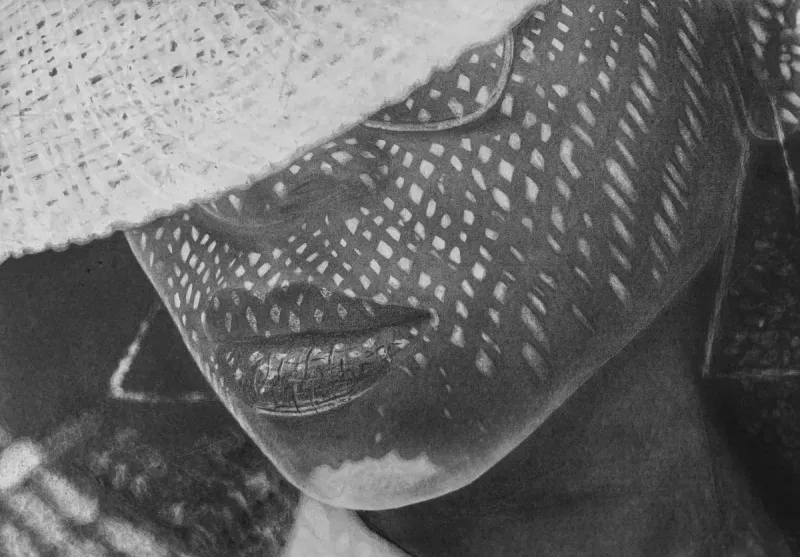
| 3. Helmet three-quarter view | Dynamic poses | Intermediate / 30 min / turning a sphere | You want a flat profile | How to Draw a Portrait in Shadow |
| 4. Helmet side profile | Learning depth | Beginner / 15 min / profile shapes | You want a full-face study | How to Draw a Female Portrait |
| 5. Helmet from below | Dramatic angles | Advanced / 40 min / low perspective | You want a quick doodle | How to Draw Portraits Course |
| 6. Helmet from above | Unusual views | Intermediate / 30 min / top-down form | You want a plain shape | Hyperrealistic Portrait Drawing Course |
| 7. Visor with sky reflection | Glass practice | Intermediate / 30 min / smooth gradients | You dislike gradients | How to Draw Clouds |
| 8. Visor reflecting a planet | Sci-fi scenes | Intermediate / 35 min / curved reflections | You want a realistic scene | How to Paint the Stars and Moon in Acrylic |
| 9. Visor reflecting the sun | Strong contrast | Beginner / 20 min / highlights | You want a soft look | How to Paint a Sunset in Acrylic |
| 10. Visor reflecting a spacecraft | Storytelling | Advanced / 45 min / distortion | You want a simple outline | How to Draw a Fighter Jet |
| 11. Visor reflecting the Earth | Colour studies | Intermediate / 40 min / soft edges | You want a flat colour | How to Draw Water Reflections |
| 12. Visor with stars reflected | Night scenes | Beginner / 15 min / dark values | You want bright colour | How to Paint Sparklers in Acrylic |
| 13. Visor with a face behind it | Portrait practice | Advanced / 50 min / layered glass | You want one clean subject | How to Draw Glasses |
| 14. Empty dark visor | Bold simple shading | Beginner / 20 min / dense tone | You want a bright image | Painting from Dark Photos |
| 15. Cracked visor | Dramatic drawings | Intermediate / 30 min / line control | You dislike sharp lines | How to Draw Weathered Textures |
| 16. Scratched and dusty visor | Texture practice | Beginner / 25 min / surface texture | You want a smooth surface | How to Draw the Moeraki Boulders |
| 17. Helmet with a gold sun shield | Colour and metal | Intermediate / 40 min / mirror surfaces | You want cool colours | How to Draw a Copper Kettle in Pastel |
| 18. Helmet with a lit headlamp | Night scenes | Intermediate / 35 min / light and dark | You want a daylight scene | How to Paint a Fancy Lantern in Watercolour |
| 19. Helmet on a table | Still-life practice | Beginner / 20 min / grounding | You want a floor-level scene | How to Draw a Glass |
| 20. Helmet floating in space | Weightless scenes | Intermediate / 30 min / form from light | You want a flat backdrop | How to Paint an Astronaut in Acrylic |
| 21. Helmet in a museum case | Still-life scenes | Advanced / 50 min / layered glass | You want a single object | How to Paint a Statue Bust in Watercolour |
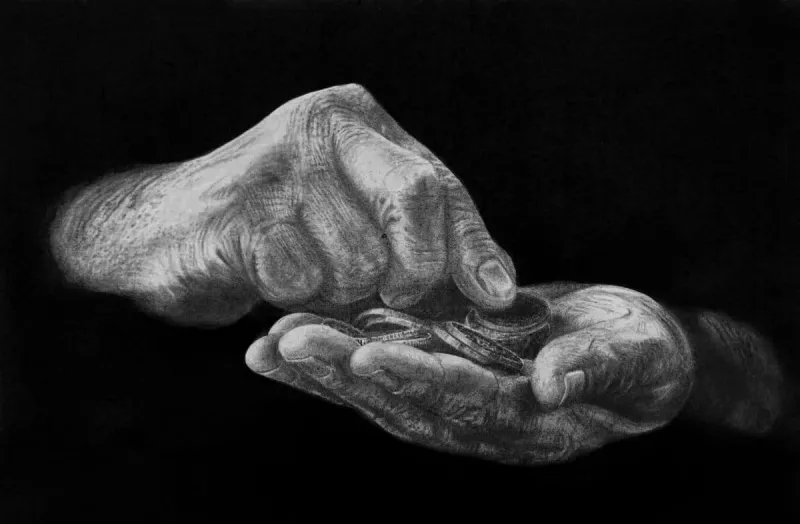
| 22. Helmet held in two hands | Figure and object | Advanced / 45 min / overlapping forms | You are on your first page | Drawing Realistic Hands |
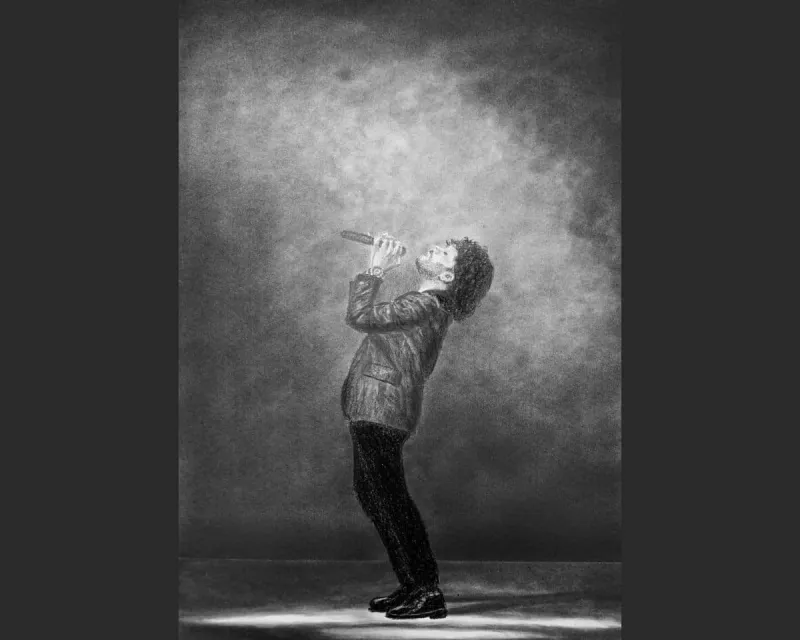
| 23. Helmet worn by a figure | Portraits in suits | Advanced / 55 min / proportion | You want a tiny head | How to Draw a Figure Singing |
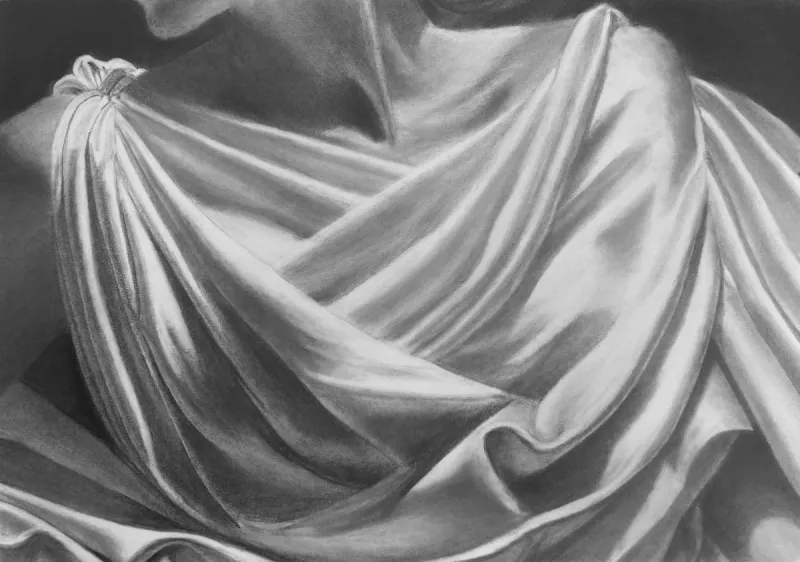
| 24. Helmet with a flag patch | Detail work | Beginner / 20 min / wrapping lines | You want a plain shell | How to Draw Drapery & Clothing Folds |
| 25. Helmet with a name tag | Small details | Beginner / 15 min / lettering | You dislike lettering | How to Draw a Phone in Pencil |
| 26. Retro 1960s helmet | Vintage looks | Beginner / 20 min / simple form | You want a modern suit | How to Draw a Car in Pencil |
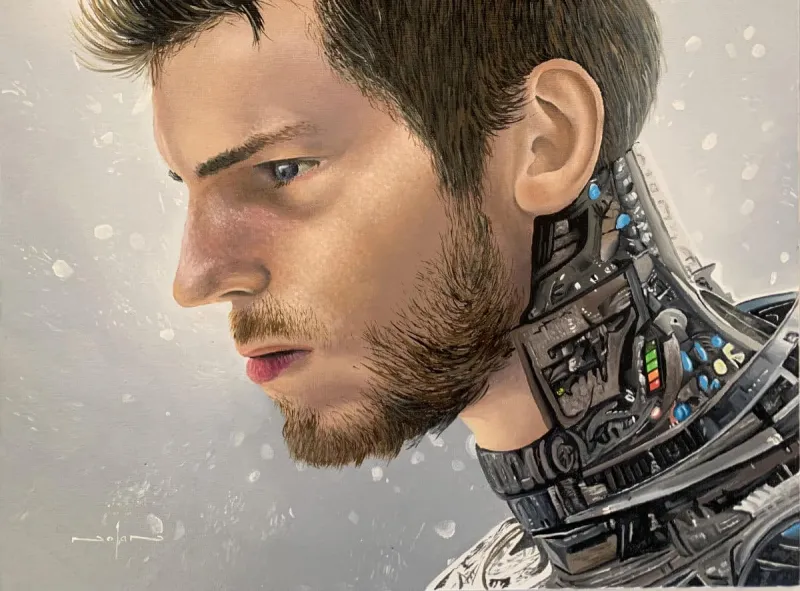
| 27. Modern spacesuit helmet | Realistic suits | Intermediate / 40 min / hardware detail | You want a quick win | How to Paint an Android Portrait |
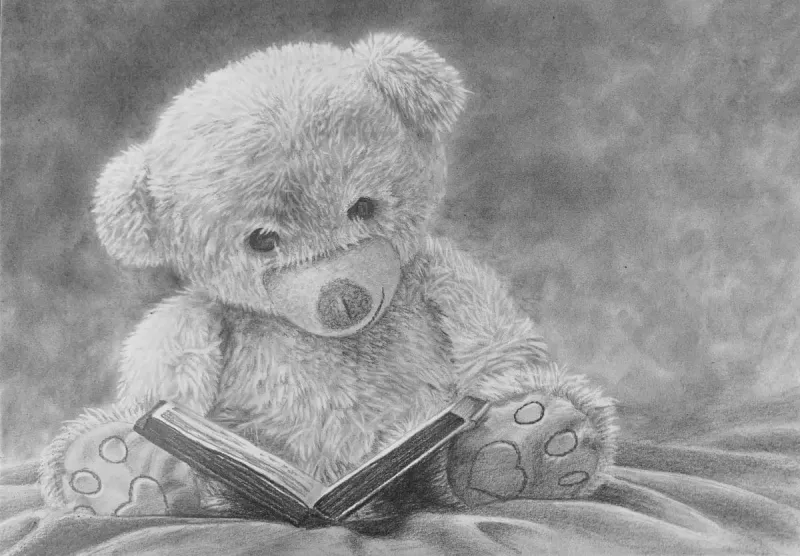
| 28. Cartoon astronaut helmet | Kids and doodles | Beginner / 10 min / simplifying | You want realism | How to Draw a Teddy Bear |
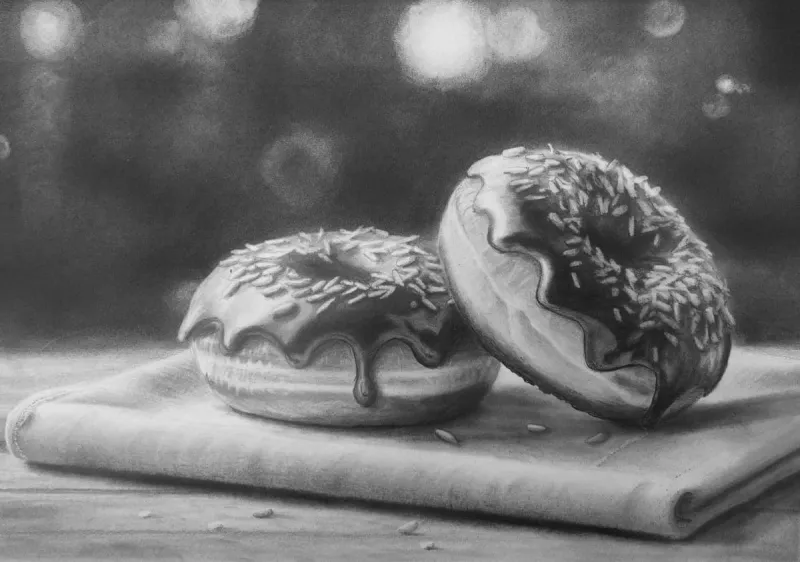
| 29. Kawaii astronaut helmet | Stickers and planners | Beginner / 10 min / cute shapes | You want a serious tone | How to Draw Donuts |
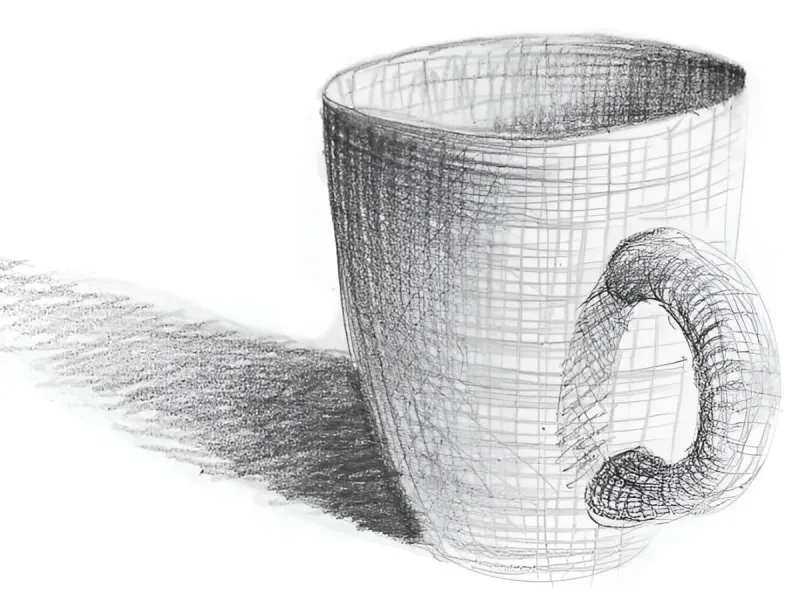
| 30. Helmet in ink with hatching | Line-work practice | Intermediate / 35 min / hatching | You want loose lines | Cross Hatching for Beginners |
| 31. Helmet in watercolour | Soft, loose studies | Intermediate / 40 min / wet washes | You hate waiting for paint | Paint a Vase Still Life in Watercolor |
| 32. Helmet in charcoal | Dramatic tone | Advanced / 40 min / bold contrast | You dislike smudges | Pastel Drawing Techniques |
| 33. Visor reflecting a window | Glass reflections | Intermediate / 35 min / bent straight lines | You want a fully dark scene | How to Draw Rain on Window |
How do you choose an astronaut helmet drawing study?
Three checks keep you from picking a study that wastes an evening.
- Which skill does it train? Pick the study that trains your weakest part, such as the sphere, the glass highlight or the reflection. A free step list, like these easy drawings for kids, shows the shapes but cannot tell you which skill is yours.
- How many minutes can you give it? Ten minutes fits the round helmet, the cartoon helmet and the starry visor. Anything beyond forty minutes needs a plan, and a guided course keeps you from stalling halfway.
- How will you know it worked? Squint at the sheet. If the shell, the visor and the highlight still read as three clear masses, the drawing holds.
1. Classic round astronaut helmet
A classic astronaut helmet is a near-perfect sphere with a flat-fronted visor and a collar ring. Draw the circle first, then slice the visor as a wide oval set slightly below centre. Check the result by squinting: if the circle and visor oval still reads clearly, the study works. See also the simple drawing ideas.
- Best for: a first clean helmet.
- Avoid for: you want a dramatic angle.
Course: Learn to Draw – Introduction to Drawing — starts from the shapes of a clean sphere and oval.
2. Helmet front view
A front view helmet is symmetrical: one visor oval, two side ports and a neck ring. Draw a vertical centre line first and mirror every part about 2 cm either side of it.
- Best for: checking symmetry.
- Avoid for: you want a side view.
Course: Shading Techniques in Pencil — drills smooth shading on a symmetrical dome.
3. Helmet three-quarter view
In a three-quarter view the visor slides to one side and the far edge narrows. Move the centre line off-axis by a third, and shrink the far collar into a thin ellipse. Check the result by squinting: if the off-axis centre line still reads clearly, the study works. See also the perspective drawing practice.
- Best for: dynamic poses.
- Avoid for: you want a flat profile.
Course: How to Draw a Portrait in Shadow — models a form in strong side shadow.
4. Helmet side profile
A side profile shows the visor as a half-moon and the shell as a deep bowl behind it. Place the ear port at the middle of the shell and keep the visor edge a thick curve.
- Best for: learning depth.
- Avoid for: you want a full-face study.
Course: How to Draw a Female Portrait — covers the profile shapes of a rounded head.
5. Helmet from below
A helmet from below makes the chin ring a wide ellipse and compresses the visor into a thin band. Draw the ring first, then fit the visor high on the shell. Check the result by squinting: if the chin ring ellipse still reads clearly, the study works. Another angle exercise is perspective drawing scene setup.
- Best for: dramatic angles.
- Avoid for: you want a quick doodle.
Course: How to Draw Portraits Course — shows how head proportions shift from below.
6. Helmet from above
A helmet from above is mostly shell, with the visor peeking at the front edge. Mark the centre of the dome, then draw a short curved visor along the nearest rim.
- Best for: unusual views.
- Avoid for: you want a plain shape.
Course: Hyperrealistic Portrait Drawing Course — pushes the tonal control glossy surfaces need.
7. Visor with sky reflection
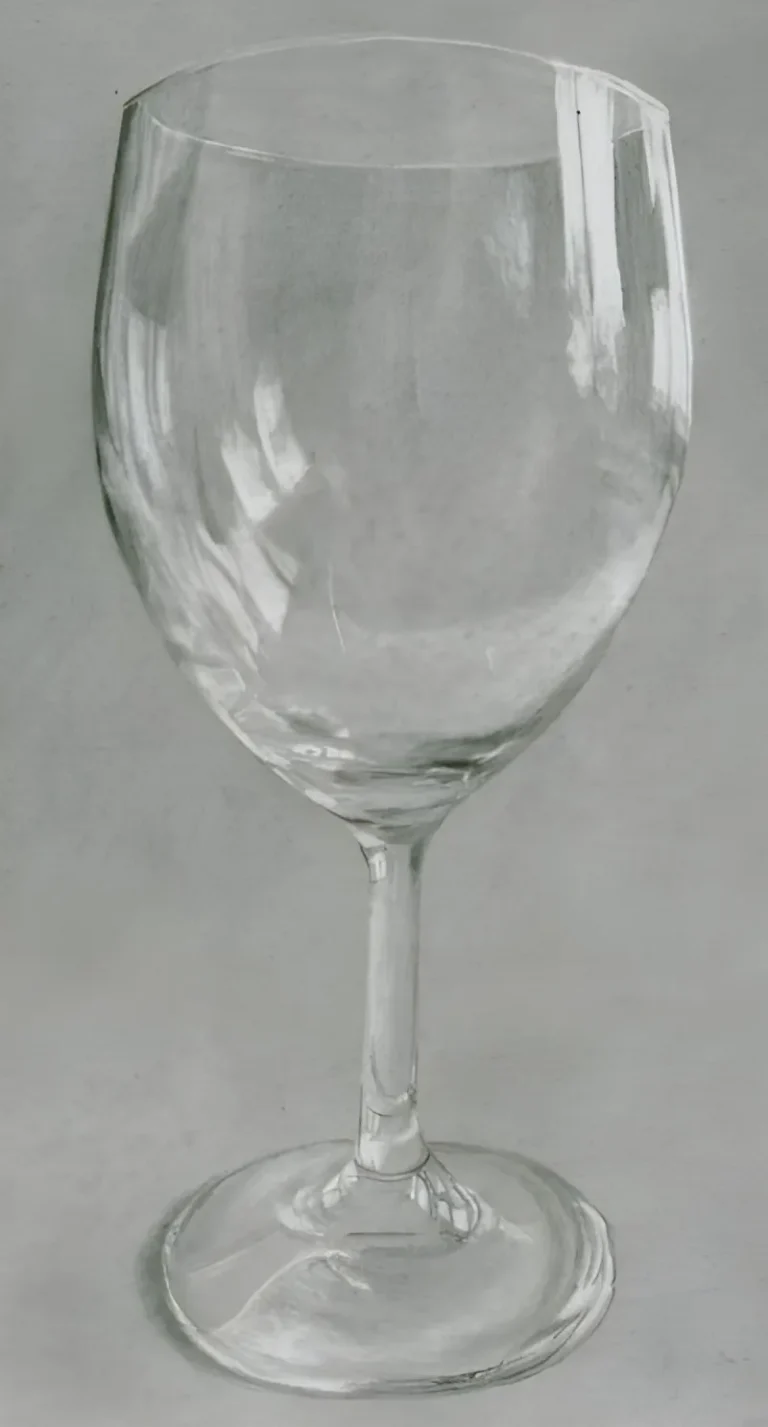
A sky reflection on a visor is a pale gradient, bright at the top and darker toward the chin. Leave a thin band of bare paper along the upper edge, then shade down in four steps. Check the result by squinting: if the pale-to-dark gradient still reads clearly, the study works. See also the realistic shading steps.
- Best for: glass practice.
- Avoid for: you dislike gradients.
Course: How to Draw Clouds — teaches soft cloud shapes for a visor reflection.
8. Visor reflecting a planet
A planet reflected in a visor is a small curved circle, squashed by the glass. Draw it as a slim crescent near the edge, since the curve stretches shapes at the rim. More practice: sketch ideas.
- Best for: sci-fi scenes.
- Avoid for: you want a realistic scene.
Course: How to Paint the Stars and Moon in Acrylic — renders a moon or planet against a dark field.
9. Visor reflecting the sun
A sun in a visor is a hard white spot with a soft halo. Keep the spot as bare paper, add a faint ring of tone around it, and darken the glass farthest from the light. Check the result by squinting: if the bare-paper highlight still reads clearly, the study works.
- Best for: strong contrast.
- Avoid for: you want a soft look.
Course: How to Paint a Sunset in Acrylic — handles one bright light source and its glow.
10. Visor reflecting a spacecraft
A spacecraft in a visor appears as a tiny distorted silhouette. Draw it half-size and bent along the glass curve, with a bright rim on the side nearest the light.
- Best for: storytelling.
- Avoid for: you want a simple outline.
Course: How to Draw a Fighter Jet — draws a jet, a good model for a spacecraft.
11. Visor reflecting the Earth
The Earth in a visor is a blue-white curve with a dark edge. Block the shape lightly, add cloud swirls with a kneaded eraser, and keep its edge slightly softer than the highlight. Check the result by squinting: if the curved Earth edge still reads clearly, the study works.
- Best for: colour studies.
- Avoid for: you want a flat colour.
Course: How to Draw Water Reflections — shows how reflections mirror on shiny curves.
12. Visor with stars reflected
Stars on a visor are small points that stretch toward the rim. Press tiny dots in a loose arc, vary their size, and leave most of the glass dark so the points stand out.
- Best for: night scenes.
- Avoid for: you want bright colour.
Course: How to Paint Sparklers in Acrylic — suggests scattered points of light on dark.
13. Visor with a face behind it
A face behind a visor is dimmer than the reflection on top. Draw the face with soft tone, then overlay the reflection with sharper edges so both read at once. Check the result by squinting: if the two layers of tone still reads clearly, the study works. See also the portrait drawing steps.
- Best for: portrait practice.
- Avoid for: you want one clean subject.
Course: How to Draw Glasses — draws a face seen behind transparent lenses.
14. Empty dark visor
An empty dark visor is a nearly black oval with a rim of light. Fill it with dense layered pencil, and lift one slim highlight with an eraser along the upper curve. More tone practice is in realistic drawings and shading.
- Best for: bold simple shading.
- Avoid for: you want a bright image.
Course: Painting from Dark Photos — finds shapes inside a very dark image.
15. Cracked visor
A cracked visor shows thin branching lines from one impact point. Draw the cracks with a sharp 2H, thinner toward their ends, and break the reflection slightly across each line. Check the result by squinting: if the branching crack lines still reads clearly, the study works.
- Best for: dramatic drawings.
- Avoid for: you dislike sharp lines.
Course: How to Draw Weathered Textures — covers cracks and weathered surface detail.
16. Scratched and dusty visor
A dusty visor has fine scratches and a pale film. Scrub light grey over the glass, then draw a few short curved lines in the direction of the wipe.
- Best for: texture practice.
- Avoid for: you want a smooth surface.
Course: How to Draw the Moeraki Boulders — practises rough, pitted surfaces in pencil.
17. Helmet with a gold sun shield
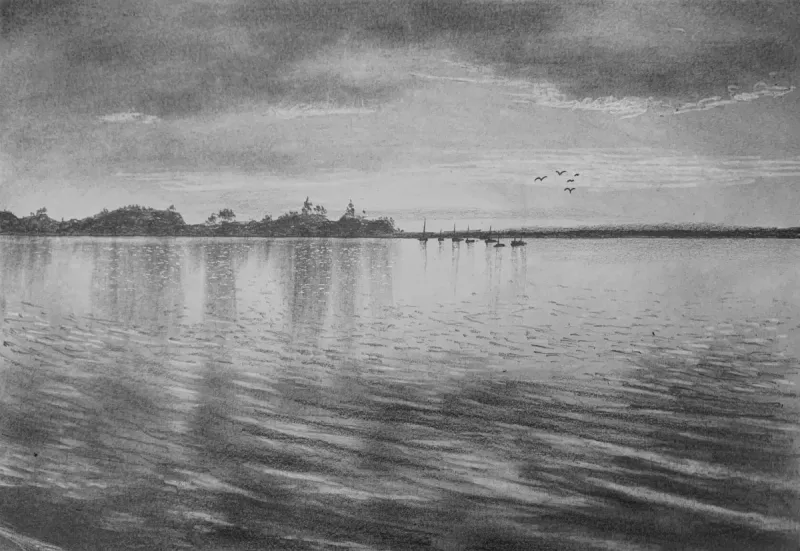
A gold sun shield is a warm, mirror-like layer over the visor. Use three warm tones, dark at the edges and light near the highlight, and keep one reflected shape sharp. Check the result by squinting: if the warm tone steps still reads clearly, the study works.
- Best for: colour and metal.
- Avoid for: you want cool colours.
Course: How to Draw a Copper Kettle in Pastel — explains metal highlights and warm reflections.
18. Helmet with a lit headlamp
A headlamp on a helmet is a small box with a bright beam. Draw the lamp first, then add a cone of light, and darken the shell around it to make the glow stand out. More practice: easy drawings and sketches.
- Best for: night scenes.
- Avoid for: you want a daylight scene.
Course: How to Paint a Fancy Lantern in Watercolour — draws a light source and its glow.
19. Helmet on a table
A helmet on a table sits on a soft oval shadow. Draw the table line, place the helmet slightly above it, and add a dark contact shadow where the collar touches. Check the result by squinting: if the contact shadow still reads clearly, the study works.
- Best for: still-life practice.
- Avoid for: you want a floor-level scene.
Course: How to Draw a Glass — covers the shape, rim and shine of glass.
20. Helmet floating in space
A helmet floating in space has no ground, so the light must do the work. Pick one light side, shade the opposite edge dark, and add a faint rim glow on the shadow side. See also the eye drawing steps for the same light logic.
- Best for: weightless scenes.
- Avoid for: you want a flat backdrop.
Course: How to Paint an Astronaut in Acrylic — draws an astronaut against a dark setting.
21. Helmet in a museum case
A helmet in a glass case has two glass layers: the case and the visor. Draw the case edge as a thin double line, and reflect a light strip in it that cuts across the helmet. Check the result by squinting: if the double case line still reads clearly, the study works.
- Best for: still-life scenes.
- Avoid for: you want a single object.
Course: How to Paint a Statue Bust in Watercolour — treats a smooth bust form in calm light.
22. Helmet held in two hands
A helmet held in two hands overlaps the fingers and the rim. Draw the hands as simple blocks first, then wrap the helmet over them so the thumbs tuck behind the shell. See also the hand drawing ideas. Hands help here too: see how to draw hands.
- Best for: figure and object.
- Avoid for: you are on your first page.
Course: Drawing Realistic Hands — gives the hand shapes for holding a helmet.
23. Helmet worn by a figure
A helmet worn by a figure sits as wide as the shoulders, not as small as the head. Measure the shell against the neck width, and draw the collar over the shoulders. Check the result by squinting: if the shell against shoulder width still reads clearly, the study works.
- Best for: portraits in suits.
- Avoid for: you want a tiny head.
Course: How to Draw a Figure Singing — places a figure’s pose and proportions.
24. Helmet with a flag patch
A flag patch on a helmet is a small rectangle that curves with the shell. Draw the patch with bent edges, and let any stripes follow the curve of the dome.
- Best for: detail work.
- Avoid for: you want a plain shell.
Course: How to Draw Drapery & Clothing Folds — shows how fabric and patches follow folds.
25. Helmet with a name tag
A name tag is a thin strip on the chest or the helmet ring. Draw it as a rounded rectangle with sharp text lines, and keep the letters small so the shell stays the main shape. Check the result by squinting: if the small rounded strip still reads clearly, the study works.
- Best for: small details.
- Avoid for: you dislike lettering.
Course: How to Draw a Phone in Pencil — trains small hard-edged details like a tag.
26. Retro 1960s helmet
A 1960s helmet is simpler and rounder, with a soft visor and a small ring. Keep the lines clean and add a single smooth highlight along the left side of the shell. More practice: marina drawing ideas.
- Best for: vintage looks.
- Avoid for: you want a modern suit.
Course: How to Draw a Car in Pencil — covers older machine forms and proportions.
27. Modern spacesuit helmet
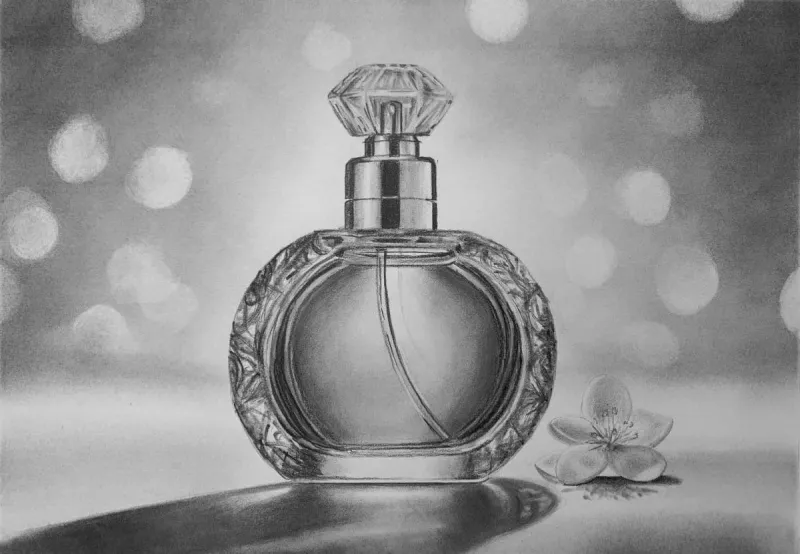
A modern helmet has a large bubble visor and a sharp neck ring with many clips. Draw the bubble wide, then add the ring clips as small evenly spaced rectangles. Check the result by squinting: if the evenly spaced ring clips still reads clearly, the study works.
- Best for: realistic suits.
- Avoid for: you want a quick win.
Course: How to Paint an Android Portrait — explores a futuristic head design.
28. Cartoon astronaut helmet
A cartoon helmet exaggerates the visor into a huge glossy oval. Draw the shell as a wide circle, make the visor take two thirds, and add one big highlight.
- Best for: kids and doodles.
- Avoid for: you want realism.
Course: How to Draw a Teddy Bear — breaks a rounded toy form into simple steps.
29. Kawaii astronaut helmet
A kawaii helmet is tiny and round, with a big shiny visor and short collar. Draw the shape low and wide, and add two small star-shaped highlights to the glass. Check the result by squinting: if the star highlights still reads clearly, the study works.
- Best for: stickers and planners.
- Avoid for: you want a serious tone.
Course: How to Draw Donuts — teaches simple rounded shapes with a cute feel.
30. Helmet in ink with hatching
A helmet in ink builds the shell from parallel hatching lines. Curve the lines around the dome, keep them close in the shadow and wide in the light, and leave the visor highlight blank.
- Best for: line-work practice.
- Avoid for: you want loose lines.
Course: Cross Hatching for Beginners — builds ink tone on a curved dome by crosshatching.
31. Helmet in watercolour
A helmet in watercolour is a wash of blue-grey with bright paper left for the highlight. Paint the visor last in a darker mix, and lift a soft glow with a damp brush. Check the result by squinting: if the bare-paper highlight still reads clearly, the study works.
- Best for: soft, loose studies.
- Avoid for: you hate waiting for paint.
Course: Paint a Vase Still Life in Watercolor — renders glass and soft form with washes.
32. Helmet in charcoal
A helmet in charcoal uses a dense black visor and a smudged shell. Lay broad tone with the side of the stick, then lift a clean highlight with a kneaded eraser.
- Best for: dramatic tone.
- Avoid for: you dislike smudges.
Course: Pastel Drawing Techniques — covers soft tonal layering for a smoky look.
33. Visor reflecting a window
A window reflected in a visor is a bright rectangle bent into a soft curve. Draw the frame as four slightly bowed lines, add a cross bar, and keep the glow inside it lighter than anything else. Check the result by squinting: if the bowed window frame still reads clearly, the study works.
- Best for: glass reflections.
- Avoid for: you want a fully dark scene.
Course: How to Draw Rain on Window — shows how to draw clear glass with soft droplets.
If it goes wrong
Fix the one failure you can see.
- The helmet looks flat. The shell has no shading. Darken the side away from the light and keep one clean highlight on the other side.
- The visor looks like paint. The reflection has no bend. Stretch every reflected shape toward the rim of the glass and make it a little smaller.
- The visor looks too small. The proportions drifted. Measure the visor against the shell and make it about half the helmet height.
- The glass looks dull. The highlight is grey. Leave bare paper, or lift the tone with an eraser, until it is the brightest spot on the sheet.
Run a squint test before you ink. You will catch most of these in seconds, as in the drawing practice routine.
When the free version isn’t enough
A free list of shapes cannot show you the thing you cannot tell is wrong. A guided course lets a teacher mark your glass and your tone.
If you want feedback on shading and form, a pencil drawing course on tone and construction covers them step by step. Short on time? Warm up with the easy drawings for beginners first.
Key takeaways
- Draw the shell, the visor and the highlight as simple shapes first, and add detail last.
- Keep one bare-paper highlight and make the glass darker than the shell around it.
- Start with the round helmet or the sun reflection, then try three-quarter views and reflections of objects.
- Run a squint test before inking, so you catch the tone error early.
- Match the study to your time: ten minutes for outlines, an hour for layered glass.
Draw two or three and you will know which study is yours.
When tone is missing, a pencil drawing course on shading and construction covers it step by step. The same order works on the horse drawing steps, the duck drawing steps, the fox drawing ideas and in plain drawing practice and in realistic shading.
Common questions
How do you draw an astronaut helmet for beginners?
Start with a circle for the shell, then add an oval for the visor slightly below the centre. Add the neck ring last, and leave one patch of bare paper for the highlight so the glass looks shiny.
How do you draw glass reflections on a visor?
Shade the whole visor dark, then add reflected shapes smaller and bent toward the rim. Keep one hard highlight and soften the other edges so the glass looks curved.
What pencil is best for an astronaut helmet drawing?
Use an HB for construction lines, a 2B for the shell and a 6B for the dark visor. A kneaded eraser lifts the highlight, which is what makes the visor read as glass.
Why does my helmet drawing look flat?
A helmet looks flat when the shading stays even. Make one side of the shell clearly darker, keep a bright highlight on the other, and add a dark contact shadow under the collar. The eye drawing steps use the same trick on a glossy surface.
How long does an astronaut helmet drawing take?
A simple round helmet takes about ten minutes, while a visor with layered reflections takes forty to sixty. Pick a short study first, then move to longer ones as your control improves, as in the simple drawing ideas.
How do you draw a helmet in perspective?
Draw a centre line, then move the visor off it by a third for a three-quarter view. Shrink the far collar into a thin ellipse so the helmet turns in space, as in the perspective setup steps.